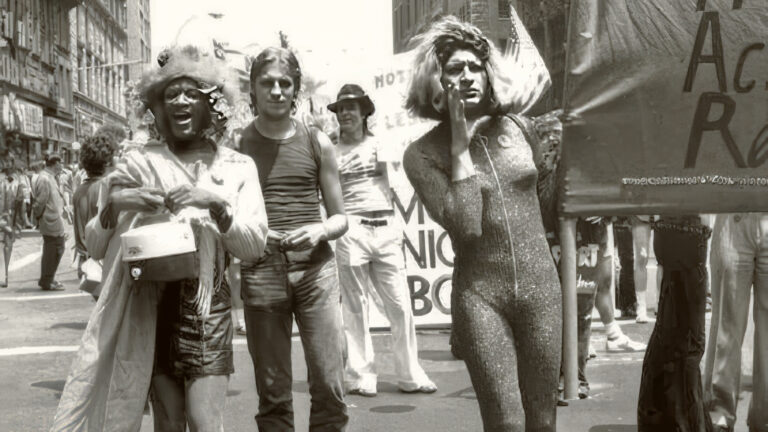
In the early hours of June 28, 1969, a routine police raid at the Stonewall Inn in New York City sparked a historic uprising that became the catalyst for the modern TLGBQ+ rights movement. Frustrated by years of harassment and discrimination, patrons—many of whom were trans women, drag queens, and queer people of color—fought back, refusing to be silenced or pushed aside. The rebellion lasted for several nights, drawing thousands into the streets in a stand against police brutality and systemic oppression. The Stonewall Uprising ignited a new era of activism, inspiring LGBTQ+ movements across the country, including in Memphis, where local advocates soon began organizing for visibility and equality.
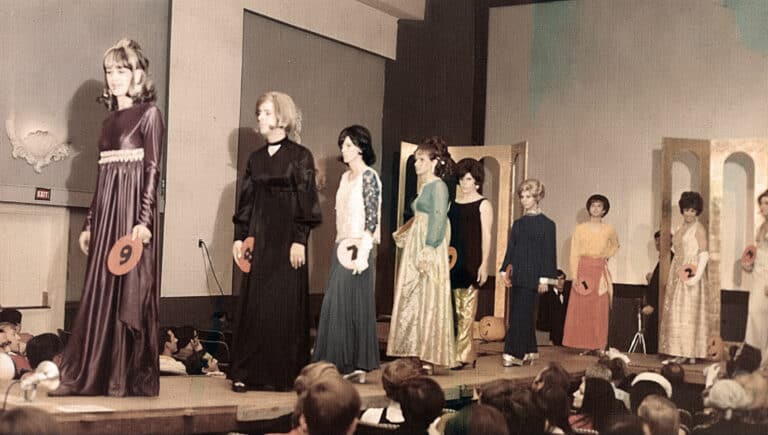
Just months after Stonewall, Memphis saw its own act of defiance in the form of the Miss Memphis Review, a bold drag pageant that challenged oppressive laws criminalizing gender expression. Organized by local activist Bill Kendall, the event took place at the now-historic Evergreen Theatre (formerly the Guild Theatre), one of the few venues willing to host TLGBQ+ events at the time. Eighteen contestants took the stage in defiance of laws prohibiting crossdressing, with Jimmy "Candace" Cagle crowned the first winner. The event’s success led to the establishment of the Miss Gay Memphis Pageant, which became a beloved tradition and one of the city’s earliest public LGBTQ+ cultural expressions. In 2019, its legacy was honored with a commemorative plaque, recognizing its role in Memphis' TLGBQ+ history and the fight for self-expression.
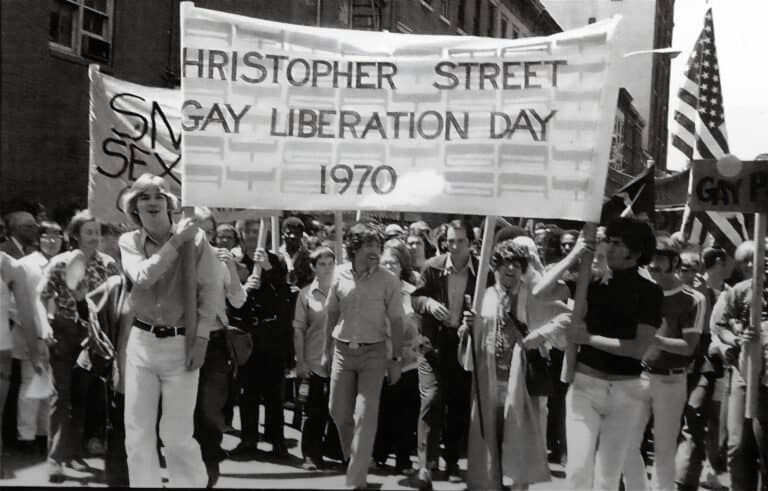
On the one-year anniversary of Stonewall, thousands of activists took to the streets of New York City for the first-ever Pride March, then known as the Christopher Street Liberation Day March. Organized by groups like the Gay Liberation Front and the Mattachine Society, the march emphasized visibility, protest, and the demand for equal rights. Unlike traditional parades, there were no corporate sponsors, no barricades, just an unyielding demand for justice. The march set a precedent for TLGBQ+ demonstrations worldwide, inspiring activists in Memphis to envision their own public expressions of Pride. Though it would take several more years for Memphis to host its first Pride event, the spirit of the 1970 march planted the seeds for future activism across the country, including in the South.
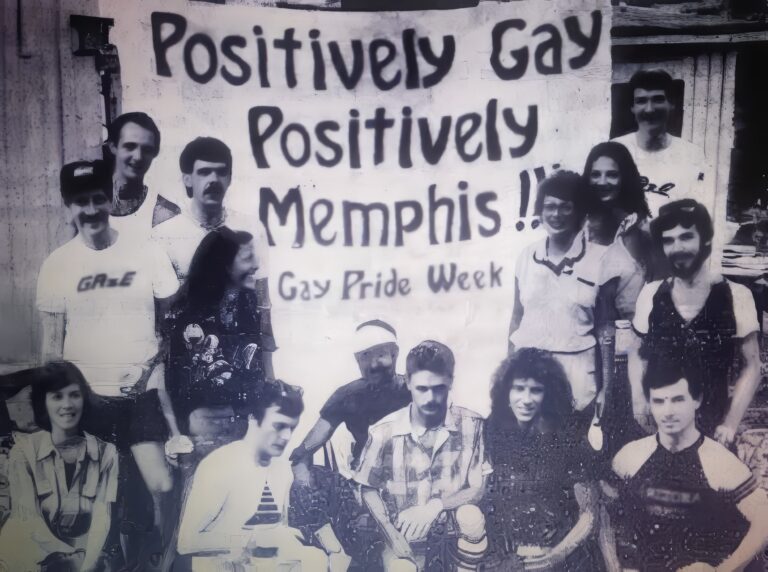
On June 27, 1976, 35 brave individuals gathered at Audubon Park for what would become Memphis' first recorded Pride event—a small but historic moment of visibility and resistance. Organized by the Sexuality and Lesbianism Task Force of the National Organization for Women (NOW) and supported by the Metropolitan Community Church (MCC) Study Group, this gathering was a quiet but radical act in a time when being openly TLGBQ+ in Memphis could mean losing your job, your home, or even your safety. With no parade, no corporate sponsorships, and little public attention, these early activists laid the foundation for what would eventually become the largest LGBTQ+ event in Tennessee. Though modest in size, Gay Day in the Park was a powerful statement—Memphis’ TLGBQ+ community was here, it was organizing, and it would no longer remain invisible.
In response to growing calls for advocacy and protection, Memphis saw the founding of its first formal LGBTQ+ organization—the Memphis Gay Coalition (MGC)—on June 15, 1979. Established nearly a decade after the Stonewall Uprising, MGC provided a structured platform for political activism, community education, and legal support. Members fought for anti-discrimination policies and created safe spaces for TLGBQ+ Memphians, including social gatherings and advocacy groups. However, like many early LGBTQ+ organizations, MGC faced internal struggles over issues such as racism, sexism, and elitism, which highlighted the need for a broader, more intersectional movement. Despite its challenges, the MGC laid the groundwork for future organizations like OUTMemphis, and its legacy continues to influence local advocacy efforts today.
As TLGBQ+ Memphians sought ways to celebrate in safety, the Memphis Pride Riverboat Cruise made its debut on June 15, 1980, aboard the Memphis Queen II. Organized by the Tennessee Gay Coalition for Human Rights, the event was an immediate success, selling out as attendees sought an escape from discrimination and societal hostility. On the Mississippi River, away from prying eyes, they found a floating sanctuary of music, laughter, and solidarity. The event’s overwhelming popularity transformed it into an annual tradition, lasting nearly two decades. The cruise not only provided a joyful celebration of identity but also demonstrated that Pride in Memphis was here to stay.
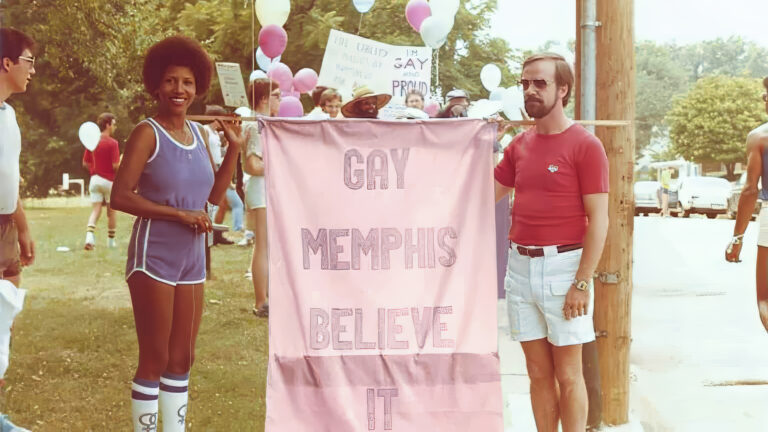
After years of private gatherings, Memphis’ first-ever formal Pride March took place on June 28, 1981, marking a new era of public activism. Organized by the Memphis Gay Coalition, marchers gathered at Peabody Park, boldly taking to the streets of the Cooper-Young district—an unprecedented act of defiance in a deeply conservative city. The march concluded at Overton Park, where a rally featured speeches demanding equal rights, legal protections, and an end to discrimination. For many, the march was a terrifying risk, as LGBTQ+ individuals were still routinely harassed or fired for their identity. Yet, their courage inspired future Pride events, proving that visibility was a powerful tool in the fight for equality.
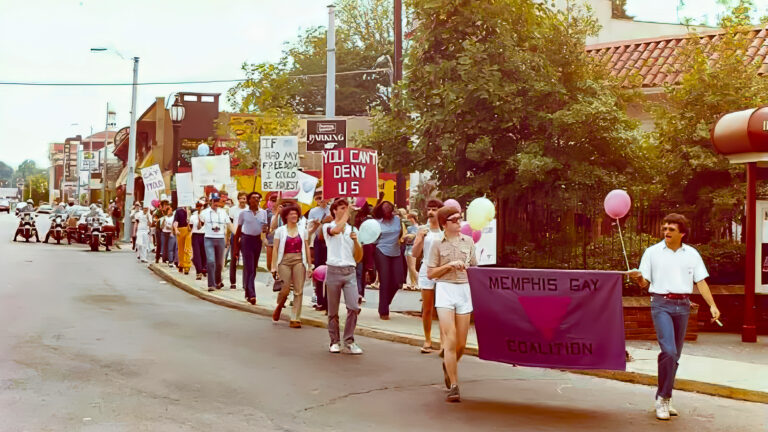
Following the success of the previous year, Memphis hosted its second Pride March & Rally on June 26, 1982, with more than 50 activists joining the movement. Once again, the march began at Peabody Park and made its way to Overton Park’s Raoul Wallenberg Memorial Shell, where impassioned speeches called for protections against housing and employment discrimination. The turnout, though modest, signified growing confidence in public advocacy, with more LGBTQ+ individuals willing to take a stand. The success of this march ensured that Pride in Memphis was becoming an enduring tradition, not just an isolated event.
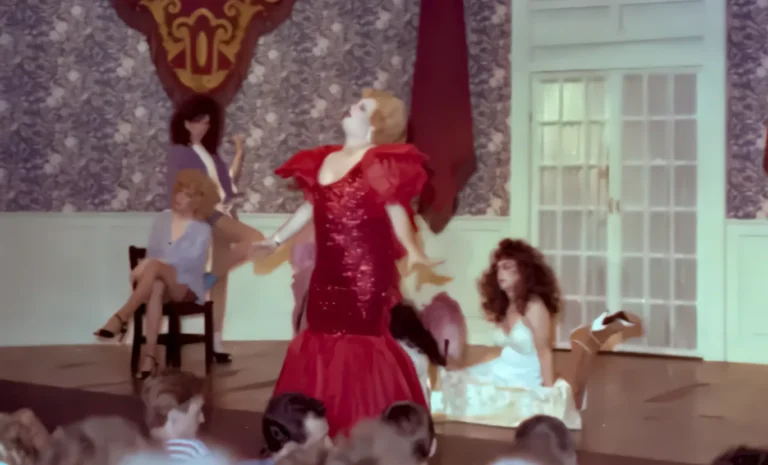
As the HIV/AIDS crisis emerged, the Memphis LGBTQ+ community responded with urgency. On June 10, 1983, the Old Hash benefit drag show was held at Circuit Playhouse (now Evergreen Theatre) to raise funds for AIDS research and education. Organized by the Memphis Gay Coalition, the event brought together local drag performers and activists, using the power of entertainment to fight a growing epidemic. Nearly $2,200 was raised, with George’s donating $600, marking one of Memphis’ first community-driven efforts to combat the crisis. At a time when government inaction left many without support, Old Hash was a beacon of hope, setting the stage for future AIDS activism in Memphis.
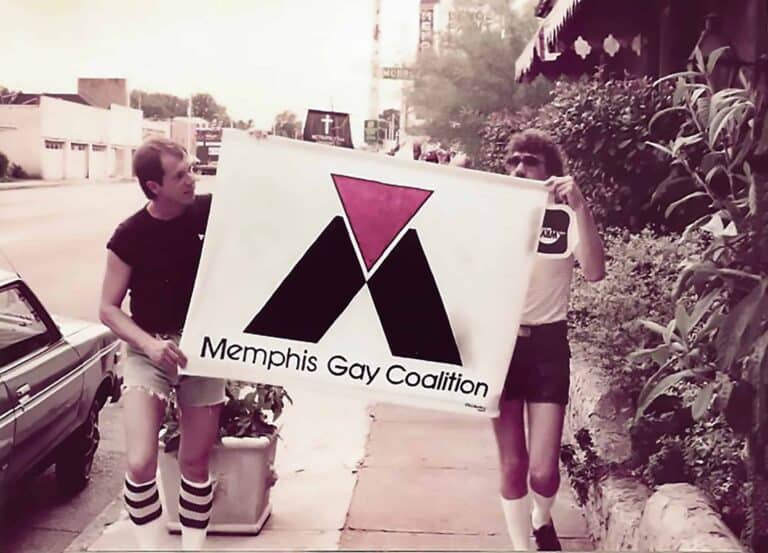
The 1983 Memphis Pride March & Rally reflected the city’s growing LGBTQ+ movement, balancing activism with an urgent focus on health and survival. Marchers gathered once again at Peabody Park, making their way through the streets to Overton Park Shell, where speakers raised awareness about the HIV/AIDS crisis. The rally became a platform for both political advocacy and health activism, calling for better medical resources and an end to discrimination against those affected by HIV/AIDS. This event solidified Memphis Pride as not just a celebration, but a critical act of resistance.

As AIDS diagnoses rose in Memphis, the community recognized the need for direct support services. On May 1, 1985, local activists and healthcare advocates founded Friends for Life, originally named the Aid To End AIDS Committee. This organization provided medical care, financial assistance, and emotional support to individuals battling the disease, filling a void left by government neglect. Friends for Life soon became a lifeline, helping thousands navigate the fear, stigma, and isolation that came with an HIV/AIDS diagnosis. Its legacy continues today, proving that compassion and advocacy can save lives.
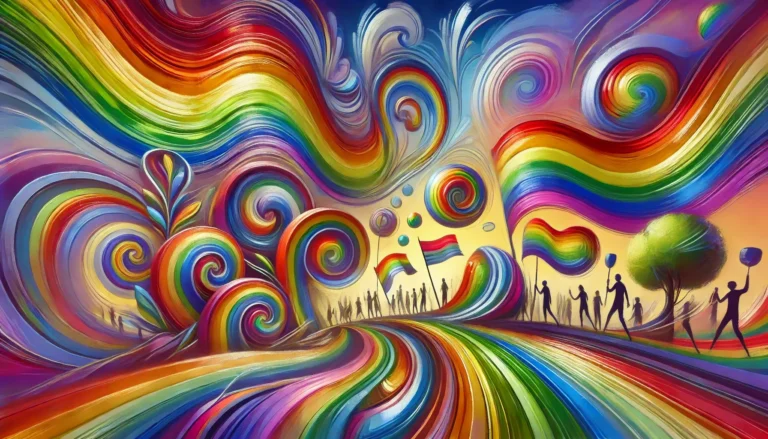
By 1987, Memphis Pride had outgrown its early picnics and marches, evolving into a full-scale festival. GayFest '87, held on June 27, transformed a parking lot adjacent to George’s Bar into a lively celebration of LGBTQ+ culture. The event featured organizational booths, arts and crafts, a “Celebrity” Dunk Tank, and screenings of Lambda Televideo Productions, blending activism with entertainment. While financial struggles led to a $500 loss, GayFest '87 proved that Pride was expanding beyond protests—it was a cultural movement.
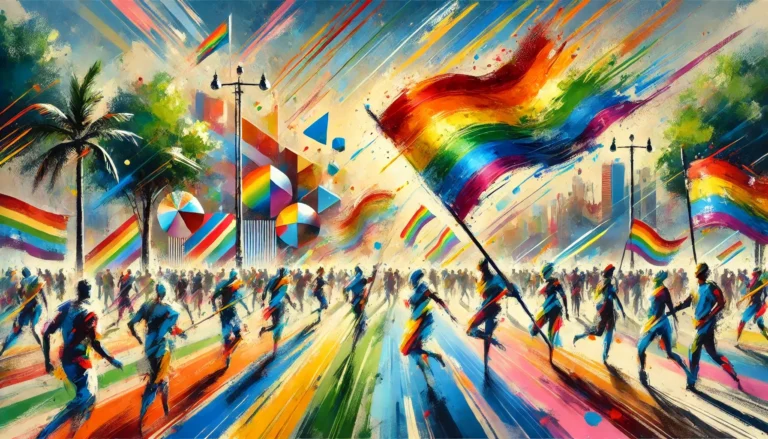
Following the success of GayFest '87, GayFest '88 took place at Mud Island River Park, marking a new era of visibility. The festival featured performances by local artists, a volleyball tournament hosted by the Gay Athletic Association, and another successful Pride River Cruise. Headlined by Joyce Cobb and her band, the event brought together hundreds of attendees, showcasing the evolving nature of Pride celebrations. By incorporating sports, music, and public outreach, GayFest '88 proved that Pride in Memphis was growing stronger each year.
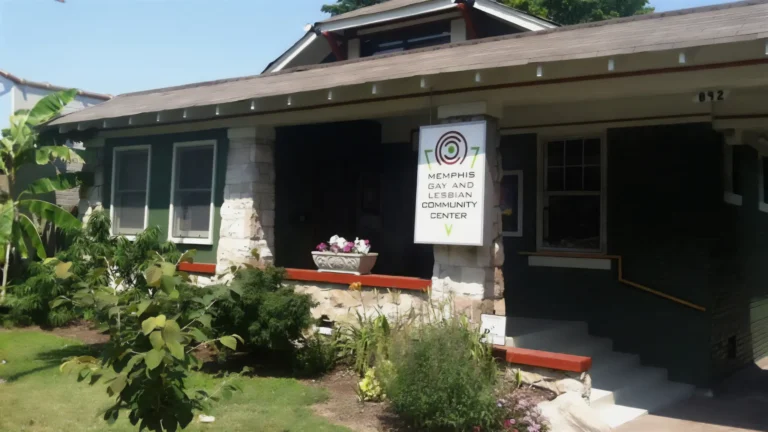
On October 1, 1989, Memphis saw the creation of its first dedicated LGBTQ+ community center—the Memphis Gay and Lesbian Community Center (MGLCC). Founded as a safe space for LGBTQ+ individuals, MGLCC provided resources, social services, and support groups. Over the years, the center would become the heart of Memphis’ LGBTQ+ advocacy, eventually rebranding as OUTMemphis in 2012. Its establishment was a turning point for visibility and community organizing, ensuring that LGBTQ+ Memphians would always have a place to call their own.
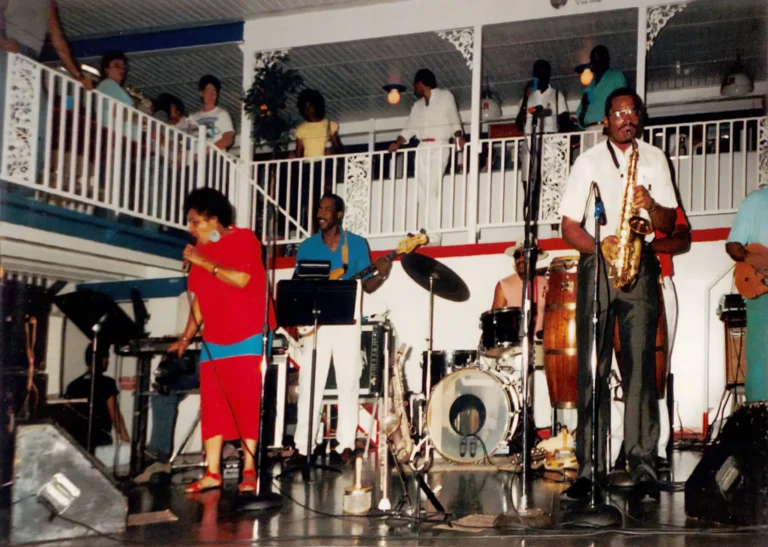
By 1990, the Memphis Pride River Cruise had become a beloved annual tradition, offering a safe space for LGBTQ+ individuals to celebrate their identities. Marking its 10th anniversary, the event was organized by the Memphis Gay Coalition and featured live music, dancing, and a powerful sense of community. Headlining the event was Joyce Cobb and her band Hot Fun, whose electrifying performance made the evening unforgettable. As the Mississippi River carried the Memphis Queen II down its waters, participants reflected on a decade of progress, visibility, and resilience. The Pride River Cruise had become more than just a party—it was a symbol of joy, defiance, and the unbreakable spirit of Memphis’ LGBTQ+ community.
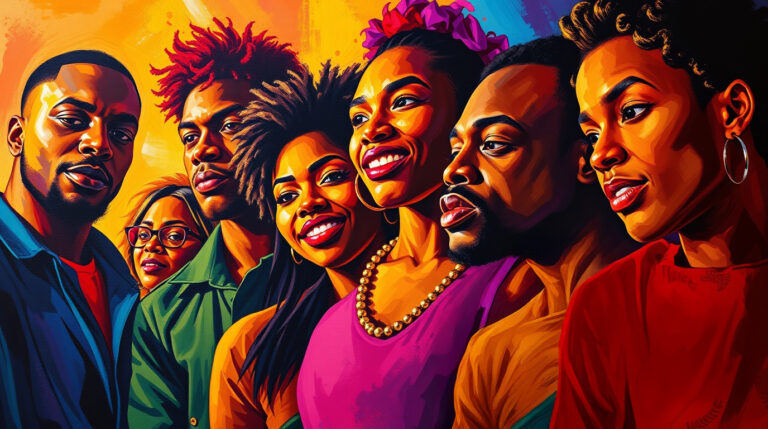
As the national Black Pride movement gained momentum in the early 1990s, Memphis’ Black LGBTQ+ community sought to carve out their own space for visibility and empowerment. Black LGBTQ+ Memphians began organizing discussions and gatherings aimed at addressing the intersection of racism and homophobia. Rooted in the legacy of the Civil Rights and Black Power movements, Black Pride in Memphis emphasized self-reliance, cultural celebration, and activism. The movement provided a platform for advocacy, ensuring that the unique struggles of Black LGBTQ+ individuals were included in the broader fight for equality. This initiative helped lay the foundation for Memphis Black Pride, which would officially launch a few years later.
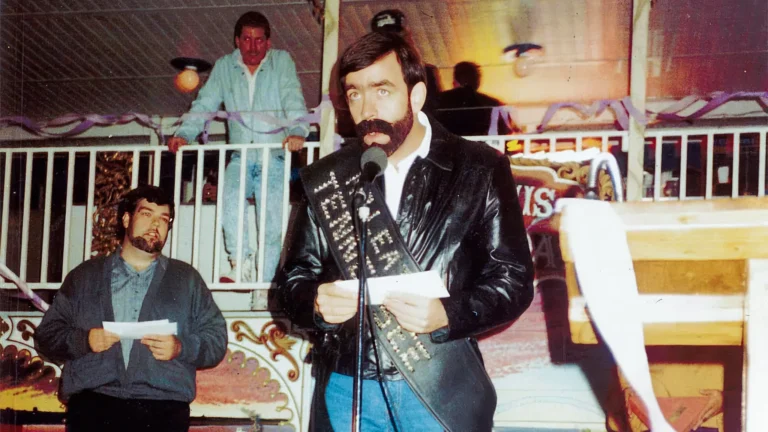
The 1992 Memphis Pride River Cruise further cemented the event’s legendary status, bringing together hundreds of LGBTQ+ individuals for an unforgettable evening. Aboard the Memphis Showboat, attendees enjoyed performances from Rufus Thomas, a Memphis music icon, and the soulful Joyce Cobb, both of whom lent their talents to celebrate the LGBTQ+ community. The riverboat cruise had evolved into a highlight of Pride Weekend, blending celebration with a reflection on how far the movement had come. While LGBTQ+ rights were still contested in many parts of the country, events like these provided a rare moment of joy and freedom for Memphis' LGBTQ+ citizens.
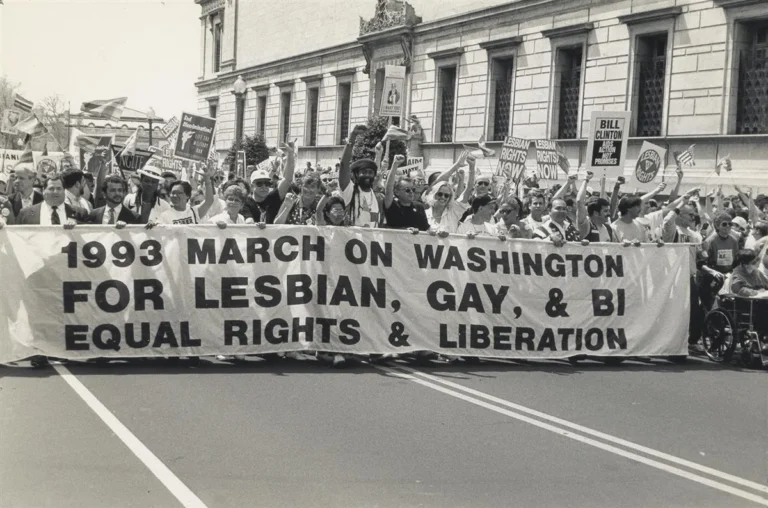
On April 25, 1993, LGBTQ+ activists from across the country descended on Washington, D.C., for one of the largest marches for LGBTQ+ rights in history. This national movement reinvigorated Memphis’ local activism, sparking a new wave of organizing and community engagement. Inspired by the march, Memphis’ John Parrott organized a local Pride march in June, gathering activists at Peabody Park’s gazebo despite pouring rain. This moment helped launch Memphis Pride, Inc., which would oversee future Pride celebrations, legal advocacy efforts, and visibility campaigns. The March on Washington proved that local change was part of a greater national movement, energizing Memphians to fight harder for equality in their own city.
In the early 1990's Memphis officially established its own Black Pride movement, led by activist Terrell Buckner. Recognizing the need for a dedicated space for Black LGBTQ+ individuals, Memphis Black Pride celebrated intersectional identities and addressed issues of racial and LGBTQ+ equality. The event focused on health disparities, including access to HIV/AIDS testing, economic empowerment through job fairs, and financial literacy workshops. Black Pride in Memphis became a vital annual celebration, highlighting Black queer culture and advocacy, even as it struggled to secure corporate sponsorship and funding. Despite these challenges, Memphis Black Pride remains a critical part of the city’s LGBTQ+ history, ensuring that all voices are heard and represented.
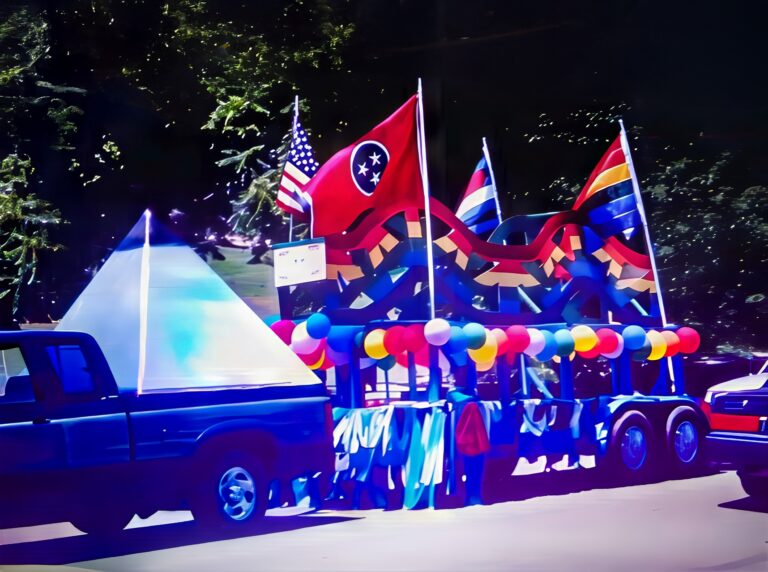
On June 15, 1994, Memphis held its first official Pride Parade, marking a shift from smaller marches to a full-scale celebration of LGBTQ+ visibility. Themed "Together With Pride," the parade brought together community activists, local businesses, and LGBTQ+ organizations for a vibrant display of unity. The route stretched from Madison and McNeil to Peabody and Cooper, and Meristem Bookstore, a key supporter of LGBTQ+ literature and activism, was honored as the first Grand Marshal. Commemorative bandanas and float competitions added to the festive spirit, showing how far Pride had come since its humble beginnings. This event laid the foundation for modern Memphis Pride festivals, making public celebration a permanent fixture in the city’s LGBTQ+ movement.
By 1995, Memphis Pride had evolved into a major event, blending celebration with activism under the theme "Party with a Purpose." Grand Marshals Jim Harrington and Dennis Kijowski were honored for their contributions to the LGBTQ+ movement, reflecting on two decades of progress. The festival, held in Overton Park, featured vendor booths, live performances, and advocacy outreach, drawing in a record number of attendees. While there was much to celebrate, organizers also used the event to highlight ongoing struggles, including workplace discrimination and LGBTQ+ military service issues. This milestone anniversary reaffirmed that Pride was both a party and a political statement, reinforcing the need for continued activism.

The 1996 Pride Festival embraced the theme "Bigger Party, More Purpose," signifying the event’s rapid growth. The parade featured a massive rainbow flag, symbolizing LGBTQ+ unity across generations. State Senator Steve Cohen attended the event, speaking on the importance of political engagement in the fight for equality. Memphis Area Gay Youth (MAGY) was selected as Grand Marshal, marking a shift toward empowering young LGBTQ+ activists. The event also served as a tribute to co-chair Dennis Kijowski, who tragically passed away later that year due to AIDS-related complications. His contributions to Memphis Pride and LGBTQ+ advocacy were honored throughout the festival, solidifying his legacy.

In 1997, Memphis unveiled its first large rainbow Pride flag, a symbol of solidarity and visibility that would become a staple of future Pride events. Themed "Generations of Pride," the festival highlighted LGBTQ+ contributions across all age groups. Grand Marshal Tim Sampson, editor of The Triangle Journal, was honored for his commitment to LGBTQ+ media representation. Featuring educational booths, entertainment, and community outreach, the event demonstrated the expanding inclusivity of Memphis Pride.
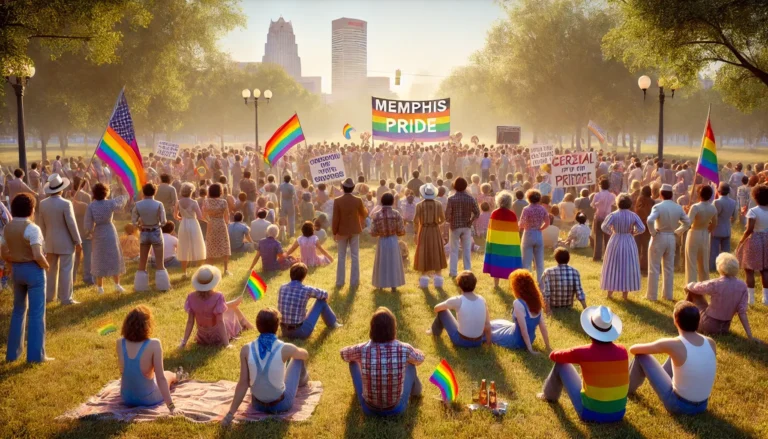
By 1998, Memphis Pride had grown into a highly anticipated annual event, reflecting the progress and resilience of the city’s LGBTQ+ community. That year’s theme, “Unity in Community,” underscored the importance of collective strength and inclusivity in the fight for equality. For the first time, a Picasso-inspired Pride logo was introduced, giving the festival a fresh visual identity that symbolized the diversity and creativity of the LGBTQ+ movement. Grand Marshals Susan MacKenzie and Virginia Stallworth were honored for their work in health and social services, advocating for LGBTQ+ rights and HIV/AIDS awareness. The event featured a reversed parade route that led into Overton Park Shell, where attendees gathered for entertainment, advocacy booths, and community engagement. The Lavender Pages, a directory of LGBTQ+ resources, was also introduced, ensuring that Memphis’ LGBTQ+ community had access to vital support networks.
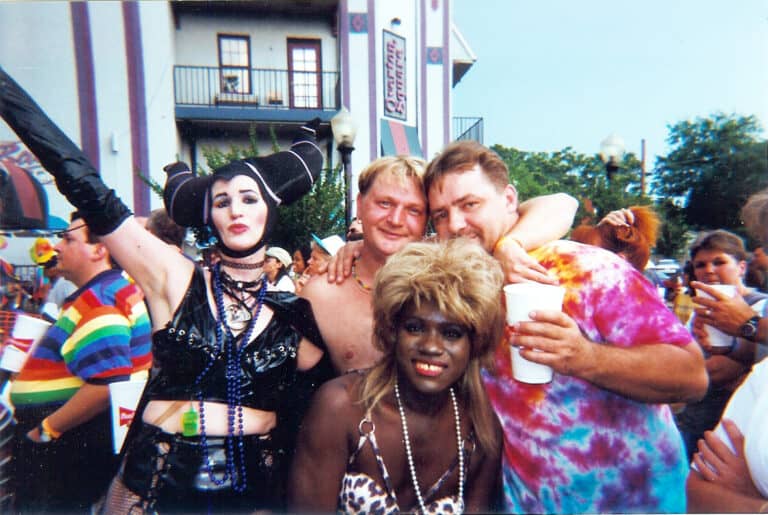
The 24th Annual Memphis Pride, held on June 12, 1999, embraced the theme "Building Community One Step at a Time," reinforcing the movement’s ongoing growth and progress. The parade route wound through Overton Park and down McLean and Madison Avenues, bringing increased visibility to Memphis' LGBTQ+ population. Grand Marshals LaPaula Turner and Jim Maynard led the parade, recognized for their commitment to LGBTQ+ activism, youth support, and healthcare initiatives. A new bridge logo was introduced, symbolizing the connections between different generations, identities, and causes within the LGBTQ+ movement. The festival featured a wide range of vendors, performances, and advocacy organizations, emphasizing education, empowerment, and social change. As the decade came to a close, Memphis Pride had firmly established itself as a cornerstone of LGBTQ+ activism and celebration in the South, proving that each step forward strengthened the foundation for future generations.
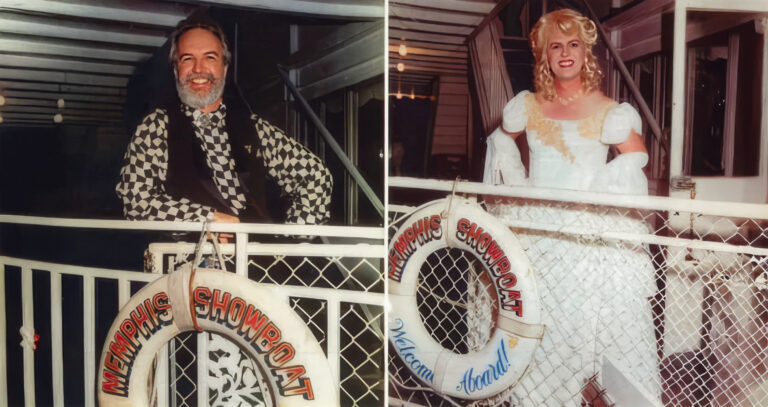
On June 18, 1999, Memphis bid farewell to an era as the final Pride River Cruise set sail. For nearly two decades, the riverboat ride had been a safe haven for celebration and connection, but rising costs and declining attendance led organizers to discontinue the event. Rufus Thomas performed for the final voyage, offering a rousing farewell to one of Memphis' most cherished LGBTQ+ traditions. Though the river cruise ended, its legacy of joy, defiance, and unity remained woven into the fabric of Memphis Pride.
The 25th anniversary of Memphis Pride marked a milestone in the city's LGBTQ+ history, celebrating a quarter-century of visibility, activism, and resilience. The theme, “Color Me Human, Color Me Proud, Color Me Equal,” reflected the community’s ongoing fight for inclusivity, dignity, and equality for all. Grand Marshals Karen Borth, Myrna Drake, and Arnold Fuller were honored for their unwavering dedication to LGBTQ+ advocacy and community support. The event featured a vibrant parade through Midtown Memphis, with businesses and organizations proudly displaying rainbow flags and banners. The festival portion included live music, food vendors, and educational booths, reinforcing the commitment to celebration and activism. Despite harsh February weather, the turnout was a testament to Memphis’ enduring Pride spirit, setting the stage for continued growth in the new millennium.

In 2001, Memphis Pride embarked on a new journey with the theme “Our Pride Odyssey,” symbolizing the community’s ongoing evolution and perseverance. For the first time, the event shifted indoors due to the extreme summer heat, moving to the Mid-South Coliseum, which provided a more accessible and comfortable venue for attendees. The Pride Parade, however, remained a lively outdoor tradition, taking a scenic route along Riverside Drive to Tom Lee Park. Grand Marshals Jimmy Gray, Royce Wright, and B.J. Hefner were recognized for their tireless efforts in LGBTQ+ rights, social justice, and community organizing. The event also celebrated the 22nd anniversary of the Memphis Gay and Lesbian Community Center (MGLCC), now OUTMemphis, highlighting the center’s critical role in advocacy and support services. Featuring a diverse lineup of performers, speakers, and activists, the festival reinforced Pride’s importance as both a celebration and a call to action.
With the theme "Step Up & Step Out," the 2002 Memphis Pride encouraged LGBTQ+ individuals and allies to be visible, take action, and support one another in the fight for equality. Despite security concerns, which resulted in the shortest parade route in Pride history, the event remained a powerful display of resilience. Overton Park once again hosted the Pride Festival, where attendees enjoyed live performances, educational booths, and vendor exhibits. Grand Marshals Vincent Astor and Ed Hammett were honored for their contributions to LGBTQ+ history and preservation efforts in Memphis. The festival also placed a strong emphasis on community engagement, political advocacy, and legal support, reminding attendees that Pride is not just about celebration, but also about progress and visibility.
By 2003, Memphis Pride had undergone a decade of remarkable transformation, growing from modest marches to large-scale celebrations. The theme, "A Decade of Pride," honored the strides made since the first formal Pride Parade in 1994. The event saw record participation, with attendees marching through Midtown Memphis and gathering at Overton Park Shell for a festival featuring musicians, drag performances, and LGBTQ+ advocacy groups. As local activism expanded, Pride organizers worked to increase political engagement and strengthen legal protections for LGBTQ+ Memphians. The event was a reflection of both past struggles and future aspirations, reminding everyone that Pride is a movement, not just a moment.
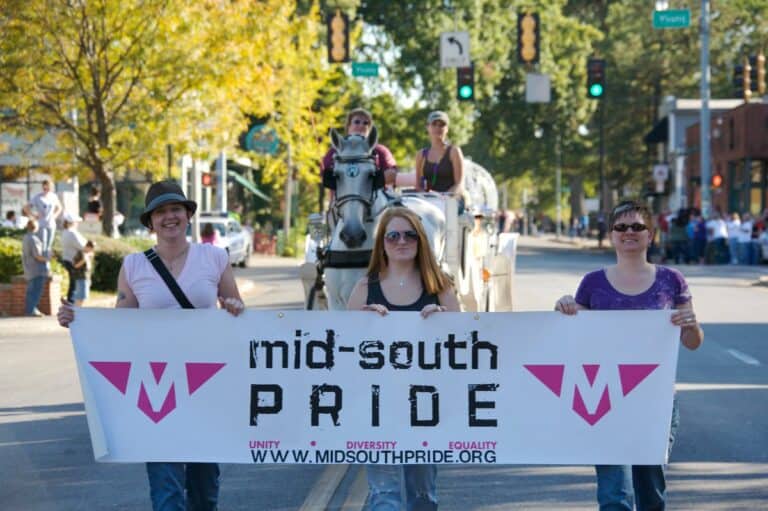
The 2004 Memphis Pride Festival marked the dawn of a new era in LGBTQ+ advocacy, signaling the community’s expanding influence and growing visibility. The festival saw an increase in corporate sponsorships, demonstrating a shift toward broader public and business support for LGBTQ+ rights. The parade’s expanded route brought Pride deeper into Midtown’s vibrant neighborhoods, increasing visibility and support from local residents. The festival featured an array of workshops, legal resources, and health services, addressing issues like workplace discrimination, LGBTQ+ youth support, and HIV/AIDS awareness. With participation at an all-time high, Memphis Pride was no longer a small grassroots movement—it had evolved into a major citywide event that brought together diverse communities in celebration and activism.
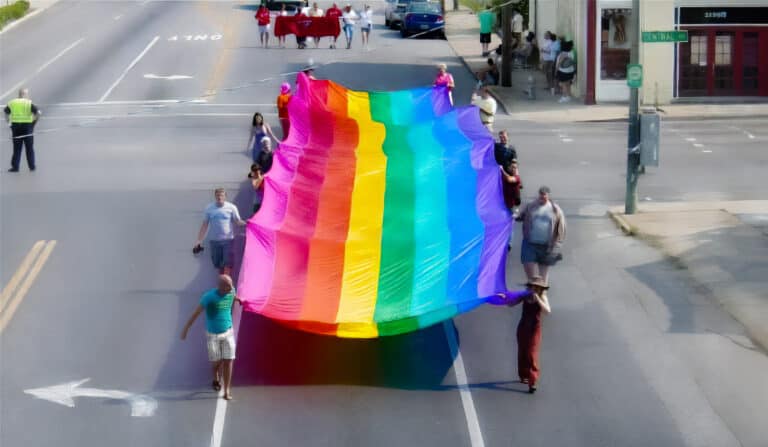
The 30th anniversary of Memphis Pride was an unforgettable milestone, featuring the debut of the Sea-to-Sea Rainbow Flag, a powerful symbol of unity and global LGBTQ+ solidarity. The Pride Parade was one of the largest in Memphis history, winding through Cooper-Young and Midtown as crowds cheered and waved rainbow flags. The festival at Overton Park was packed with performers, guest speakers, and advocacy groups, reflecting on three decades of resilience and progress. Grand Marshals and longtime activists spoke about the importance of continued advocacy, particularly in the face of national debates over marriage equality and LGBTQ+ rights. The event also paid tribute to the pioneers who had paved the way, ensuring that their legacy remained a guiding force for the next generation of activists. The 30th anniversary of Memphis Pride was not just a celebration—it was a declaration of visibility, strength, and the promise of continued progress.
Memphis Pride in 2006 embraced the theme “A Bridge to Equality,” reflecting the community’s commitment to visibility and rights at a time of mounting political opposition. Held on June 10-11, the festival featured a parade from First Congregational Church to Peabody Park, with over 100 participants and the return of the Sea-to-Sea Rainbow Flag, reinforcing local ties to the national LGBTQ+ movement. For the first time, Grand Marshals were officially recognized, with Alan Cook and John Stilwell leading the march in honor of their work as publishers of The Triangle Journal. The festival at Peabody Park showcased live performances, advocacy booths, and local businesses, increasing LGBTQ+ visibility in Memphis’s public sphere. The weekend concluded with a Pride Picnic at Neshoba Unitarian Universalist Church, extending the sense of community beyond the festival grounds. Taking place just months after Tennessee passed a constitutional ban on same-sex marriage, Memphis Pride stood as both a celebration and a form of resistance, reaffirming the LGBTQ+ community’s determination to push forward in the face of legislative barriers.
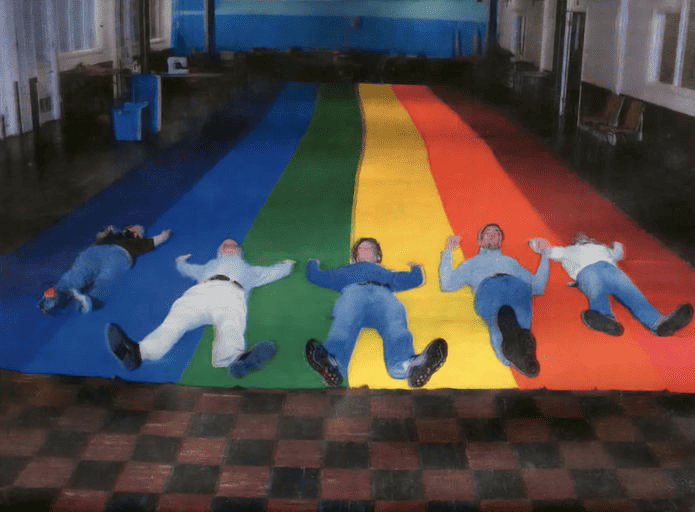
By 2007, Memphis Pride had grown into a thriving movement, not just celebrating past victories but actively shaping the future. The theme, “Investing in the Future,” reflected the growing emphasis on youth empowerment, political advocacy, and community-building. For the first time, major LGBTQ+ organizations and local businesses collaborated to expand educational programs, scholarships, and leadership initiatives for young LGBTQ+ Memphians. The Pride Festival, held at Overton Park, featured a record number of vendors, health resources, and legal assistance booths, ensuring that attendees had access to critical services. The parade through Midtown Memphis drew unprecedented crowds, proving that Memphis Pride had become a major cultural and advocacy event in the city. This year marked a significant step toward building long-term sustainability for the movement, ensuring that future generations would continue the fight for equality.
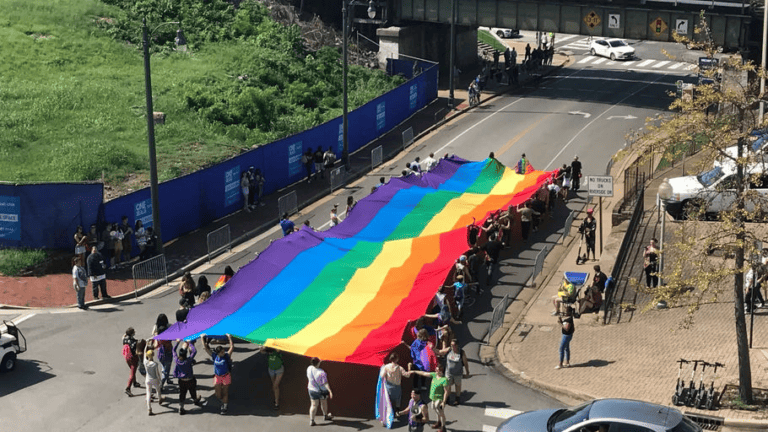
The 2008 Memphis Pride Festival was an emotional tribute to the pioneers of LGBTQ+ activism in Memphis. The highlight of the event was the debut of the Founder’s Flag, a special Pride banner honoring the original organizers and activists who laid the groundwork for Memphis Pride decades earlier. This symbolic gesture reinforced the importance of remembering history while continuing the fight for progress. Grand Marshals included longtime LGBTQ+ leaders and advocates, who reflected on the challenges of the past and the victories achieved over the years. The festival was larger than ever, featuring performances, community outreach programs, and an expanded focus on LGBTQ+ rights in Tennessee. With more businesses and organizations publicly supporting Pride, it was clear that Memphis was becoming a more inclusive and accepting city—a testament to the work of those who had fought for visibility and justice.
In 2009, Memphis Pride underwent a significant shift, moving from its traditional summer date to the cooler autumn months for future celebrations. The theme, "A Change of Season," symbolized not just the seasonal transition but also the evolving nature of LGBTQ+ advocacy in Memphis. Organizers recognized that hosting Pride during the sweltering summer months limited attendance and accessibility, leading to the decision to reschedule the festival for greater participation. While this would be the last June Pride celebration, it marked the beginning of a new era of inclusivity, growth, and expanded programming. The festival itself was a joyous occasion, featuring live music, drag performances, and activist workshops, reinforcing that Pride was not just an event but a movement that continued to evolve with the needs of the community.
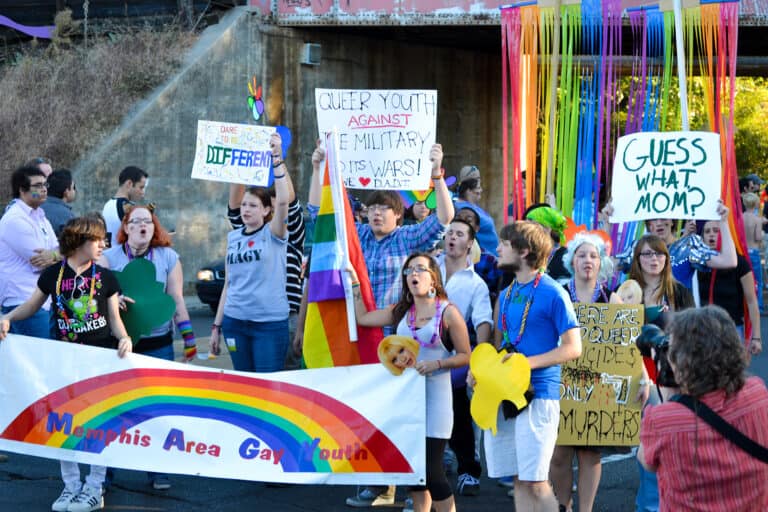
The 35th Annual Memphis Pride Festival marked a defining moment in the city’s LGBTQ+ history, signaling a major expansion in visibility, participation, and influence. With the festival now officially moved to the cooler fall season, attendance surged as more people—both LGBTQ+ individuals and allies—felt comfortable showing their support in public spaces. The festival saw an increase in corporate sponsorships, local business participation, and political engagement, reflecting a growing acceptance of LGBTQ+ rights in Memphis. For many, this Pride felt like a turning point, as the movement shifted from being a fringe gathering to a mainstream civic event. The parade, stretching through Midtown Memphis, saw record-breaking crowds, proving that Memphis Pride was stronger than ever before.
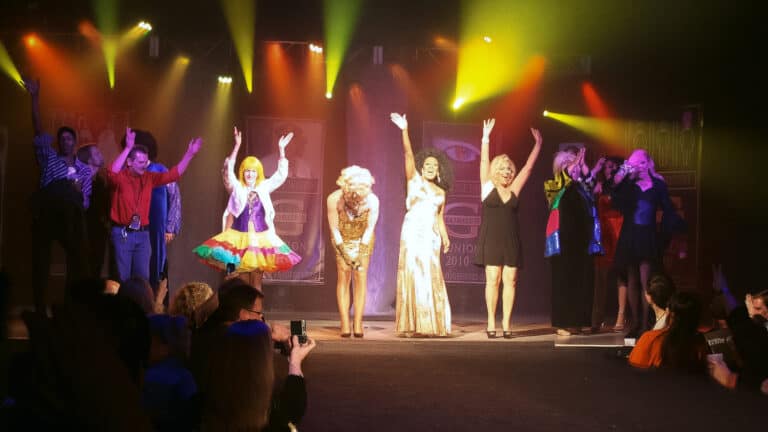
Just a week after Pride, the community gathered for a heartfelt tribute to George’s Disco, the legendary LGBTQ+ nightclub that had once served as a safe haven for Memphis’ LGBTQ+ community. The George’s Reunion event was a celebration of shared history, resilience, and the unbreakable bonds of community. Former patrons, performers, and activists reunited to honor the legacy of George’s, which had been one of the first openly LGBTQ+ establishments in the city. The reunion was more than just nostalgia—it was a reminder of how far the movement had come and how essential these spaces had been in shaping the fight for equality.
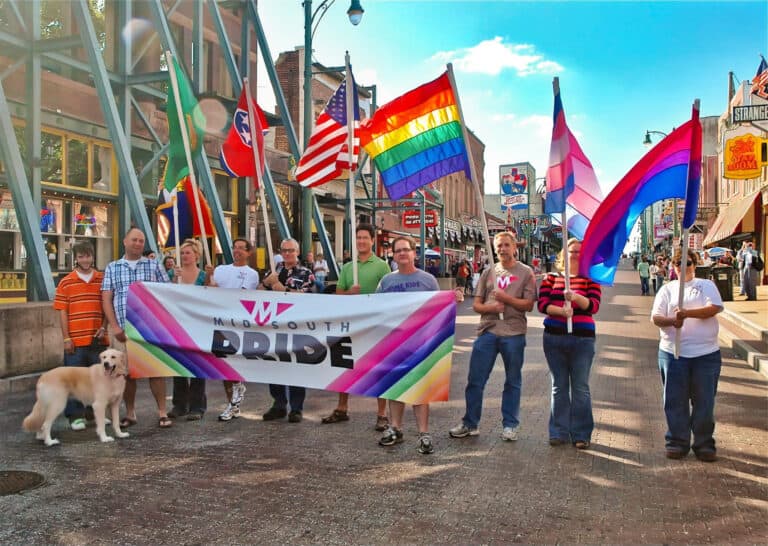
By 2011, Memphis Pride had fully transitioned into one of the largest LGBTQ+ celebrations in the Mid-South, ushering in what many called a “new era” of visibility and activism. The parade, which had previously been confined to smaller areas, expanded significantly, drawing larger crowds and more local and national LGBTQ+ organizations. The festival introduced new programming, including youth initiatives, transgender advocacy groups, and expanded healthcare services, addressing the diverse needs of the LGBTQ+ community. More political leaders and businesses openly participated, marking a major cultural shift in the city. Memphis Pride was no longer just a community event—it was now a powerful statement of progress and inclusion.
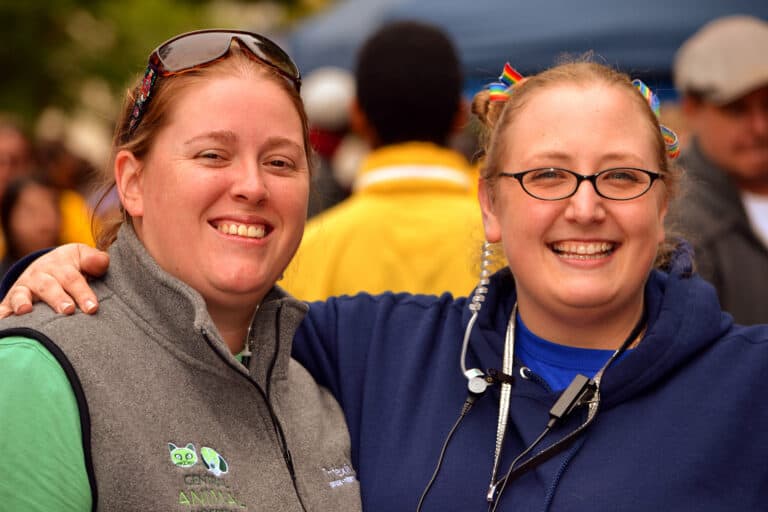
The start of 2012 brought a leadership transition in Memphis Pride, setting the stage for further expansion, inclusivity, and activism. A new team of organizers focused on broadening outreach efforts, strengthening relationships with local and national LGBTQ+ advocacy groups, and securing greater corporate and political support. With new leadership came a renewed vision, ensuring that Memphis Pride was not just about celebration but also about long-term advocacy, policy change, and community-building. This transition positioned Pride as a driving force in the fight for equality in Tennessee, strengthening its role in legislative advocacy and intersectional activism.
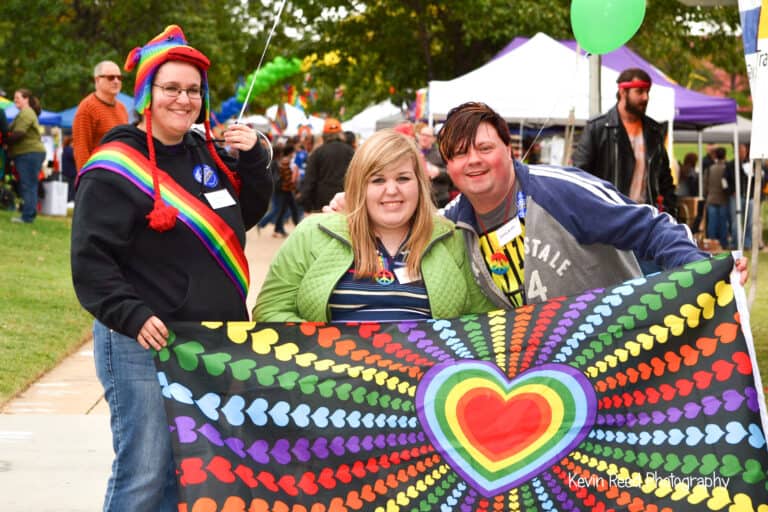
The 2012 Memphis Pride Festival saw significant expansion in programming, attendance, and impact. For the first time, a major LGBTQ+ job fair and legal rights clinic were included as part of the festival, providing resources to those facing workplace discrimination and legal challenges. Grand Marshals included local activists and national figures, reflecting the growing influence of Memphis Pride beyond the city. With increased corporate sponsorship and government recognition, the event demonstrated the increasing mainstream acceptance of LGBTQ+ rights in the South. A larger parade route and an all-day festival at Robert Church Park ensured that the community had more space to celebrate, advocate, and connect than ever before.
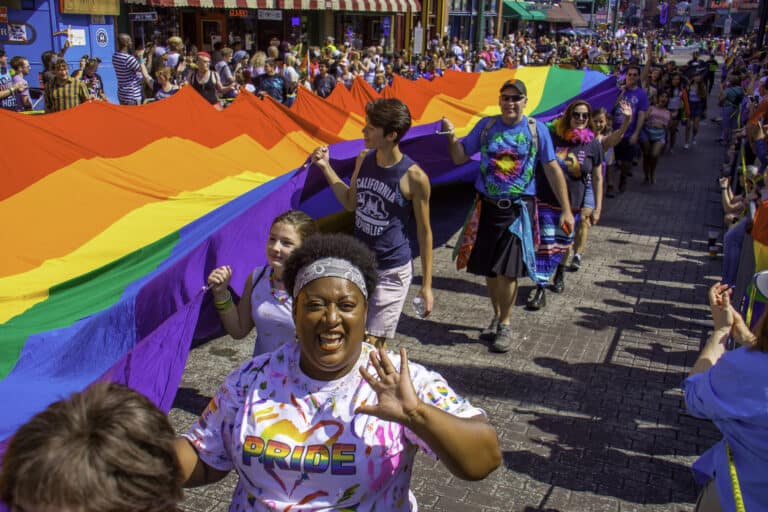
The 38th Memphis Pride Festival took place in September for the first time, further solidifying the fall schedule as the new standard for Memphis Pride celebrations. With a focus on community representation, the festival showcased local drag performers, LGBTQ+ musicians, and grassroots organizations, ensuring that the event remained grounded in the voices of Memphis’ LGBTQ+ community. Political figures, including Tennessee state representatives, addressed the crowd, advocating for anti-discrimination laws and LGBTQ+ protections in the state. The event highlighted the need for continued activism, as Tennessee still lacked key legal protections for LGBTQ+ residents.
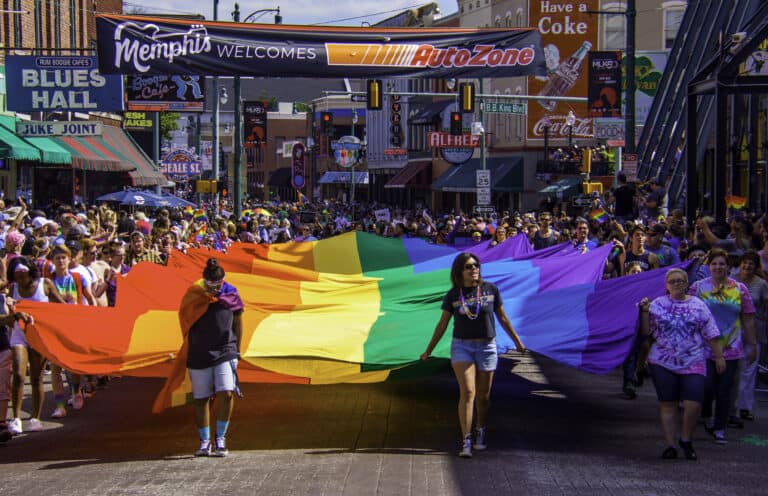
As Memphis Pride approached its 40th anniversary, the 2014 festival served as both a celebration and a moment of reflection. Attendance continued to grow, with a record-breaking turnout for the parade and festival. More local schools, religious institutions, and businesses joined the festivities, proving that LGBTQ+ visibility was no longer confined to activist circles—it was now embraced by the broader community. Panels and workshops focused on trans rights, racial justice, and healthcare equity, reinforcing the importance of intersectionality in LGBTQ+ activism. The festival also marked a major push for marriage equality, as the national debate on same-sex marriage reached a critical turning point.
On June 26, 2015, history was made when the U.S. Supreme Court ruled in Obergefell v. Hodges, granting nationwide marriage equality and ensuring that same-sex couples had the legal right to marry in all 50 states. For Memphis’ LGBTQ+ community, this victory was a moment of overwhelming joy, relief, and validation after decades of legal battles, discrimination, and advocacy. Local activists who had fought for years gathered for impromptu celebrations, waving rainbow flags outside courthouses and city landmarks. Couples who had been together for decades could now legally marry, and Memphis LGBTQ+ organizations hosted special wedding ceremonies for those who had waited so long for this moment. While there was still much work to be done, marriage equality was proof that progress was possible—and that Memphis Pride had played a role in that fight.
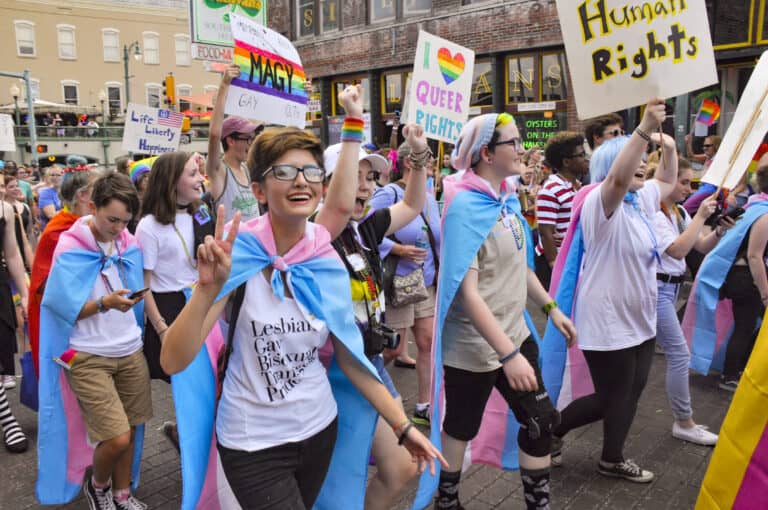
The 40th anniversary of Memphis Pride was a momentous occasion, celebrating four decades of activism, resilience, and community progress. What began as a small gathering in Audubon Park in 1976 had evolved into the largest LGBTQ+ event in Tennessee, bringing together thousands of attendees from across the region. The milestone event featured a record-breaking parade, a festival filled with entertainment and community resources, and a historical exhibit highlighting Memphis' LGBTQ+ journey. Activists and local leaders reflected on the struggles and victories that had shaped the movement, from early advocacy efforts to the nationwide legalization of same-sex marriage in 2015. As Memphis Pride looked toward the future, the 40th anniversary solidified its place as a cornerstone of the city's fight for equality and visibility.
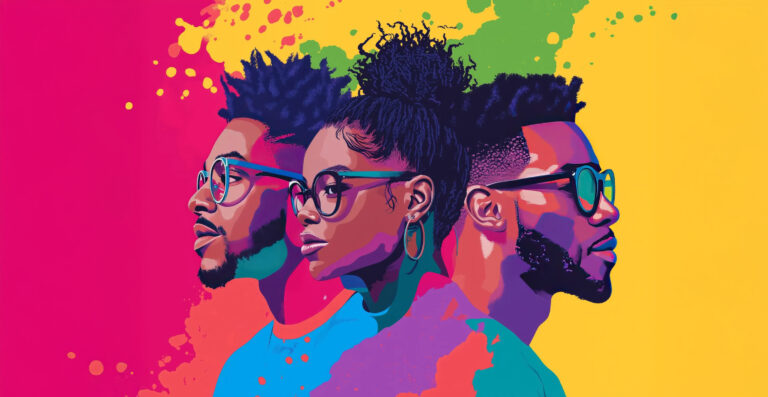
On January 2, 2016, Memphis took a bold step in furthering Black LGBTQ+ representation with the launch of Tri-State Black Pride. Recognizing the need for a space that centered the experiences of Black LGBTQ+ individuals, this event expanded the scope of Memphis’ Black Pride movement, welcoming attendees from Tennessee, Arkansas, and Mississippi. With a focus on empowerment, education, and celebration, Tri-State Black Pride provided cultural programming, advocacy workshops, and health initiatives, addressing issues unique to Black LGBTQ+ individuals. The event also served as a networking platform, bringing together activists, business leaders, and community organizers to ensure that Black LGBTQ+ voices remained at the forefront of the broader equality movement.
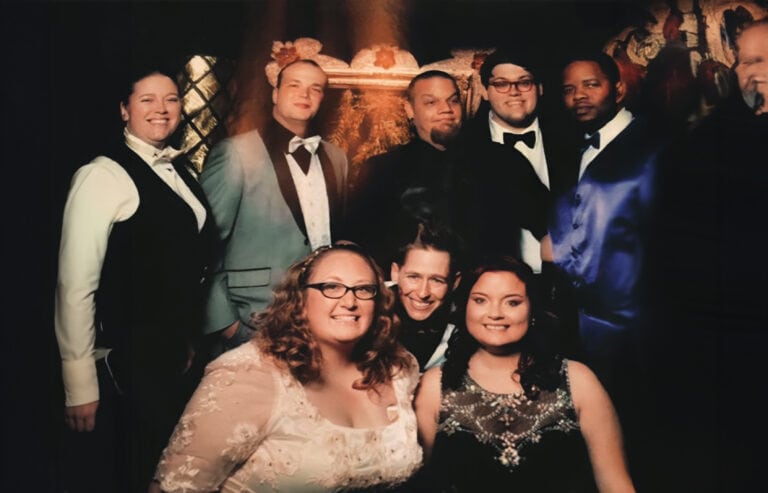
In an effort to expand LGBTQ+ visibility beyond Pride Month, Memphis introduced The GAYla, an elegant and inclusive fundraising event supporting local LGBTQ+ initiatives and advocacy organizations. Held in downtown Memphis, the evening featured live performances, a silent auction, and special guest speakers, all while raising funds for OUTMemphis and other LGBTQ+ support services. The event brought together activists, community leaders, and allies, showcasing the strength and diversity of Memphis’ LGBTQ+ community. The success of The GAYla ensured that Pride was not just a once-a-year celebration but a year-round movement for visibility, progress, and empowerment.
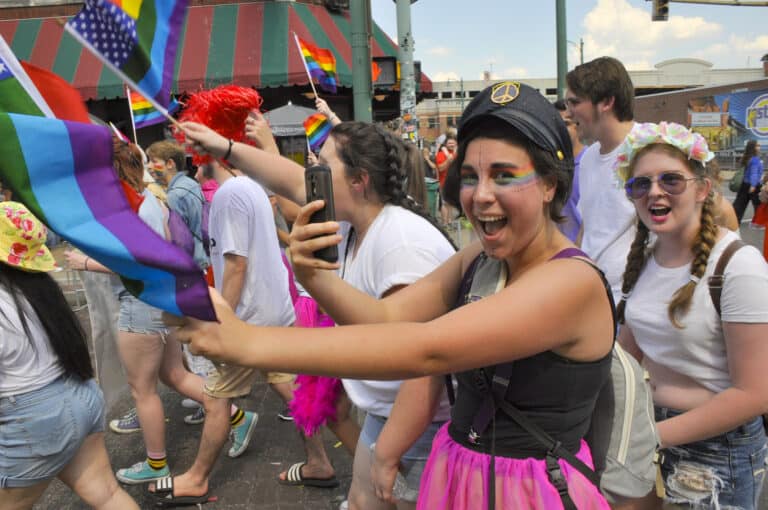
With its 41st year, Memphis Pride continued to grow in both size and influence, reinforcing its position as one of the largest LGBTQ+ events in the Mid-South. The parade, which had expanded significantly over the years, featured a record number of participants, including local businesses, faith groups, and city leaders. The festival grounds saw an increase in vendors and interactive booths, providing resources for healthcare, legal services, and social support. As Memphis Pride entered its fifth decade, the event focused on strengthening its outreach to underrepresented communities, ensuring that Pride remained a movement for all.
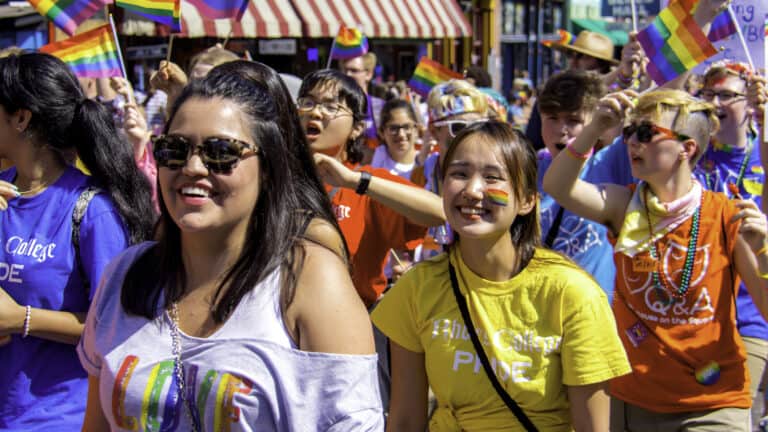
The 42nd Memphis Pride Festival brought with it a major rebranding effort, modernizing its image while reaffirming its commitment to activism and inclusion. The new branding introduced a fresh logo, an updated digital presence, and expanded sponsorship partnerships, allowing Pride to reach a broader audience. The theme of the event emphasized LGBTQ+ rights beyond marriage equality, focusing on workplace protections, trans rights, and racial justice. The festival also welcomed LGBTQ+ leaders who spoke about the ongoing fight against discrimination, making it clear that Pride was as much about activism as it was about celebration.
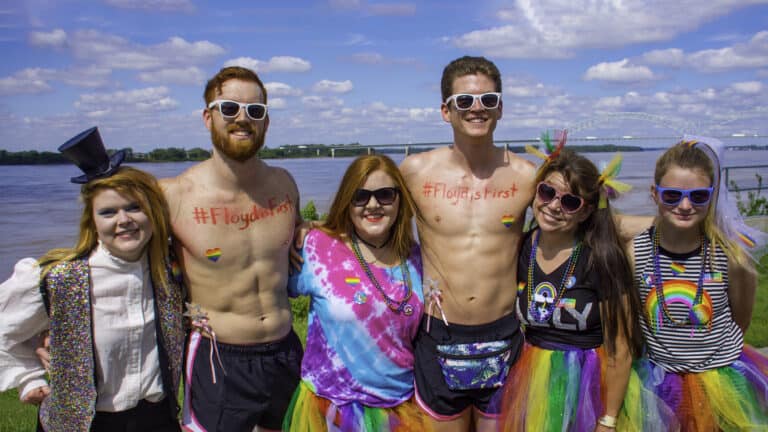
After years of holding Pride events in Midtown and Overton Park, the 2018 Memphis Pride Festival saw a grand return to the Mississippi Riverfront, a historic setting for LGBTQ+ celebrations in the city. The move back to the Riverside Drive and Beale Street Landing area was met with excitement, as it symbolized a reconnection to the legacy of the Pride River Cruises that had defined earlier decades of Memphis Pride history. The festival showcased live performances, art installations, and a larger parade route, reinforcing that Memphis Pride had grown into one of the premier LGBTQ+ events in the region.
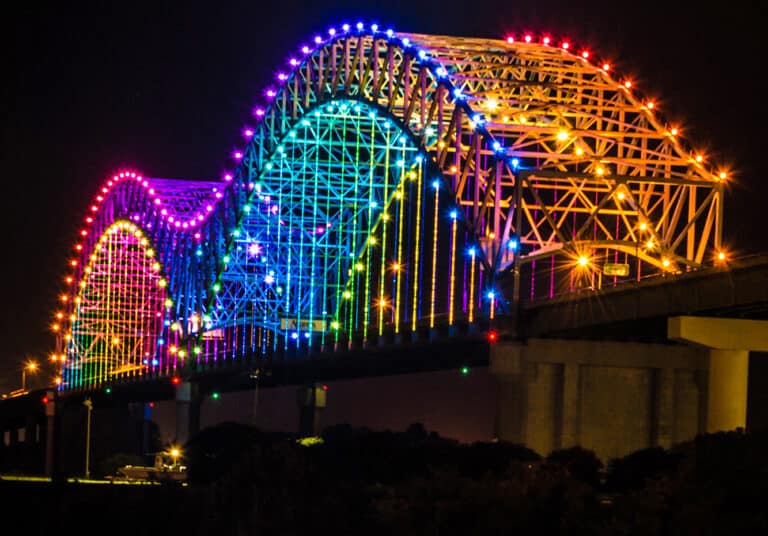
A stunning display of solidarity and visibility, Memphis made history on October 16, 2018, when the Hernando de Soto Bridge was illuminated in the colors of the Pride flag for the first time. Known as The Mighty Lights, this breathtaking moment sent a powerful message of acceptance and support, as thousands of spectators gathered along the Mississippi River to witness the event. The bridge’s vibrant rainbow glow became a symbol of Memphis’ progress, proving that the city was embracing LGBTQ+ visibility in a bold and public way. The lighting of the Mighty Lights marked one of the most visually striking moments in Memphis Pride history, showing that Pride was no longer just an event—it was woven into the very landscape of the city.
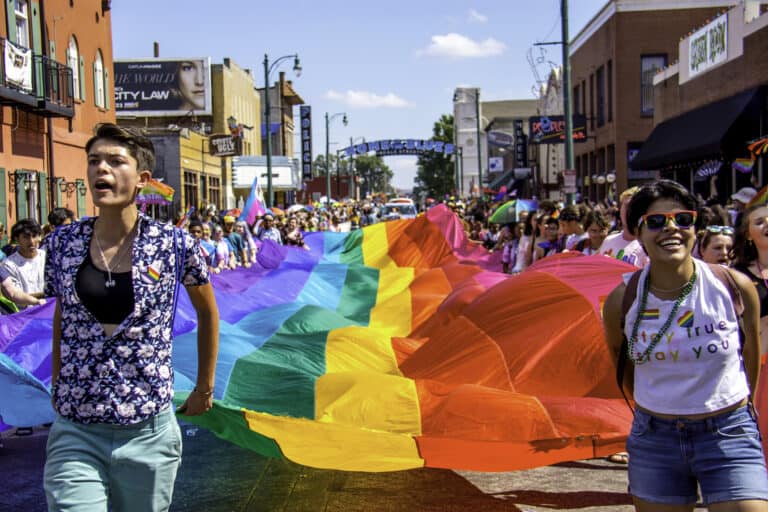
As Memphis Pride entered its 44th year, the event saw continued expansion in attendance, programming, and community involvement. The festival, held at Robert Church Park, featured over 150 vendors, live entertainment, and interactive exhibits, ensuring that attendees had access to vital resources and cultural experiences. Grand Marshals included activists, elected officials, and community leaders, who spoke on the progress Memphis had made in LGBTQ+ rights and the challenges still ahead. The festival also introduced a new youth-focused area, providing safe spaces and resources for LGBTQ+ teens and young adults. As one of the largest and most successful Pride events in Memphis history, the 44th Annual Memphis Pride set the stage for the next generation of advocacy, visibility, and community celebration.
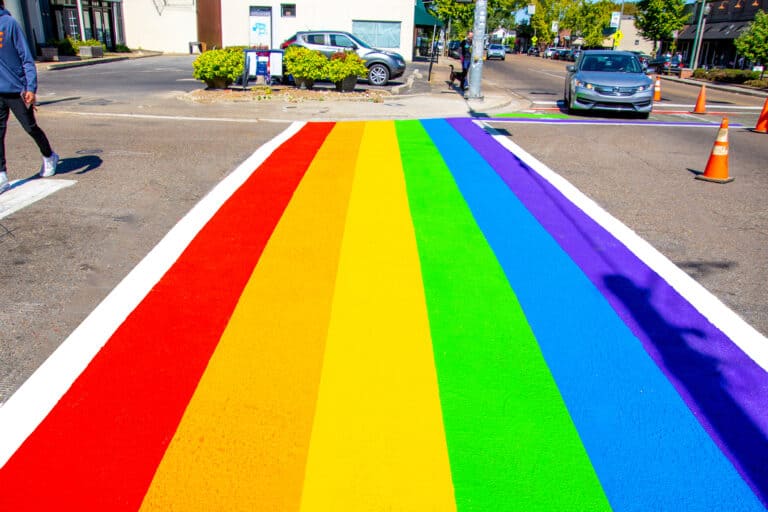
In a landmark moment for LGBTQ+ visibility in Memphis, the city's first-ever Rainbow Crosswalk was unveiled in the historic Cooper-Young district on June 29, 2020. The vibrant, colorful design, painted at the intersection of Cooper Street and Young Avenue, was a symbol of inclusion, progress, and community support. Spearheaded by local activists and community organizations, the crosswalk was more than just a visual statement—it was a public declaration that Memphis stands with its LGBTQ+ residents. Amid the challenges of the COVID-19 pandemic, this crosswalk served as a reminder of resilience and the enduring spirit of Pride, bringing color and hope to the city in uncertain times.
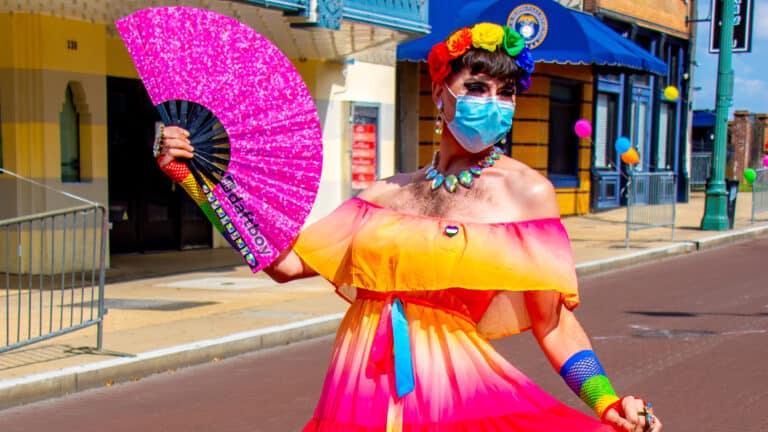
As the world navigated the COVID-19 pandemic, Memphis Pride adapted by hosting its first-ever hybrid Pride celebration, balancing virtual and socially distanced in-person events. The 45th Annual Memphis Pride Festival featured a live-streamed Pride celebration, allowing LGBTQ+ individuals to participate from home while staying safe. Meanwhile, local businesses and community organizations found creative ways to celebrate through online panel discussions, digital performances, and small-scale outdoor events. Though the traditional parade and large festival were postponed, the hybrid format kept the spirit of Pride alive, ensuring that the community remained connected and celebrated in the safest way possible.
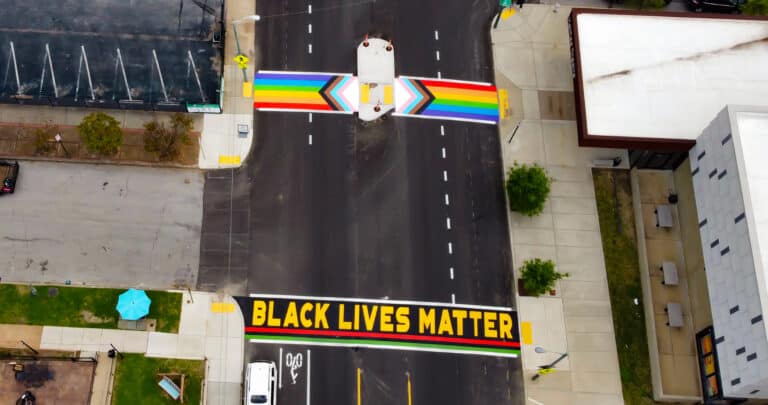
In a powerful intersection of racial justice and LGBTQ+ advocacy, Memphis debuted the Black Lives Matter and Progressive Pride Crosswalks in Overton Square on April 17, 2021. These crosswalks, featuring the Black and Brown stripes in the Progressive Pride Flag, recognized the contributions, struggles, and resilience of LGBTQ+ people of color. The project was a collaborative effort between city officials, activists, and community members, reinforcing the message that the fight for equality must include racial justice, LGBTQ+ rights, and intersectional advocacy. The unveiling ceremony brought together local leaders, activists, and artists, celebrating Memphis’ commitment to diversity and inclusivity in the public sphere.
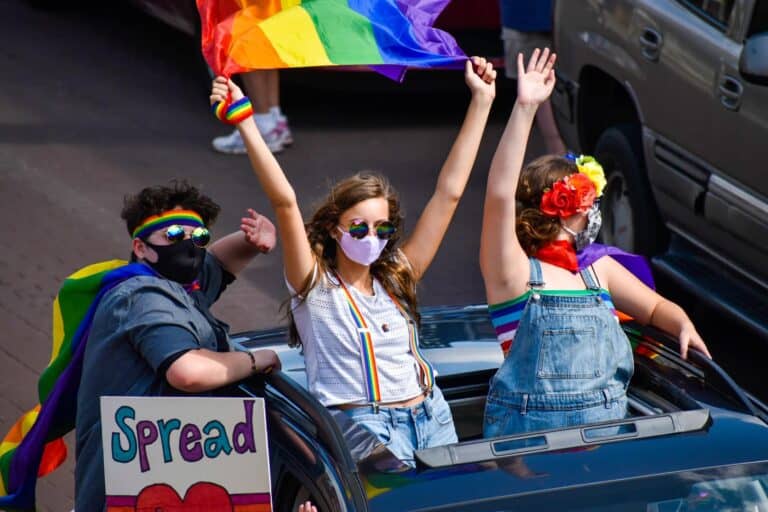
After a year of hybrid celebrations, Memphis Pride made a grand return to in-person festivities in October 2021, under the theme “Live and in Color 2.0.” Held at Robert Church Park, the festival featured a vibrant parade, live music, drag performances, and over 100 vendors. The event also introduced COVID-19 safety measures, ensuring that attendees could celebrate while staying safe. Memphis Pride’s return to full-scale, in-person events signaled a renewed energy, proving that the LGBTQ+ community remained strong, resilient, and ready to celebrate together once again.
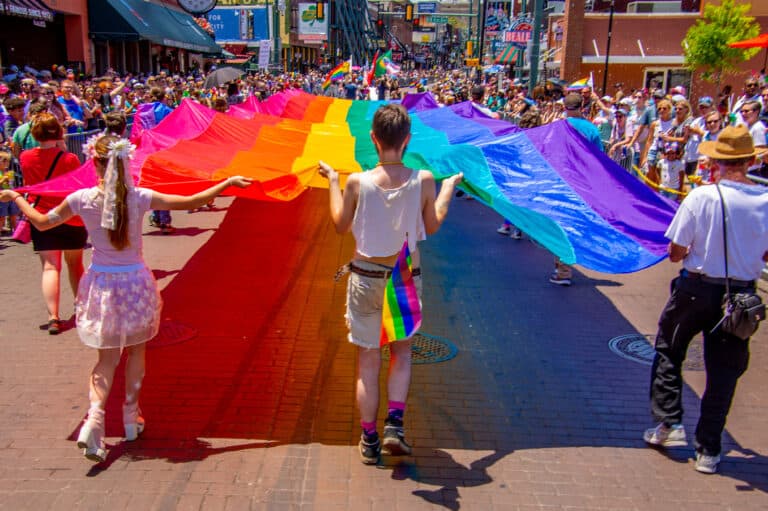
With pandemic restrictions lifted, the 47th Annual Memphis Pride Festival became one of the largest Pride celebrations in the city’s history. For the first time since 2019, Memphis hosted a full-scale parade, festival, and after-party, bringing thousands to the streets of Midtown. The event placed a special emphasis on trans rights, youth advocacy, and intersectional activism, reflecting the pressing issues facing the LGBTQ+ community in 2022. With record-breaking attendance and widespread media coverage, the 47th Annual Memphis Pride proved that Pride was back and bigger than ever.
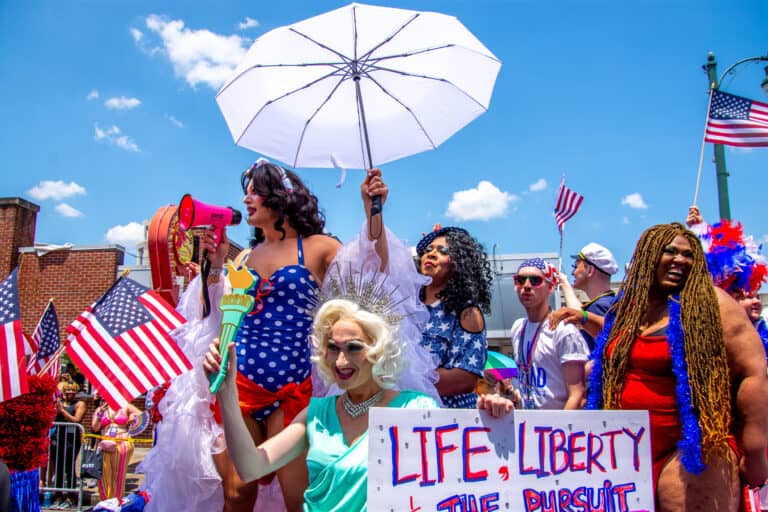
Under the theme “The Spirit of Pride,” the 48th Annual Memphis Pride embraced both celebration and activism, honoring the past while looking toward the future. The festival at Robert Church Park featured a diverse lineup of entertainers, including local LGBTQ+ musicians, drag artists, and spoken word performers. Workshops and advocacy panels focused on mental health, LGBTQ+ youth empowerment, and legislative protections, ensuring that the event remained rooted in community support and activism. The parade, featuring more floats and community organizations than ever before, served as a bold declaration of visibility and strength.
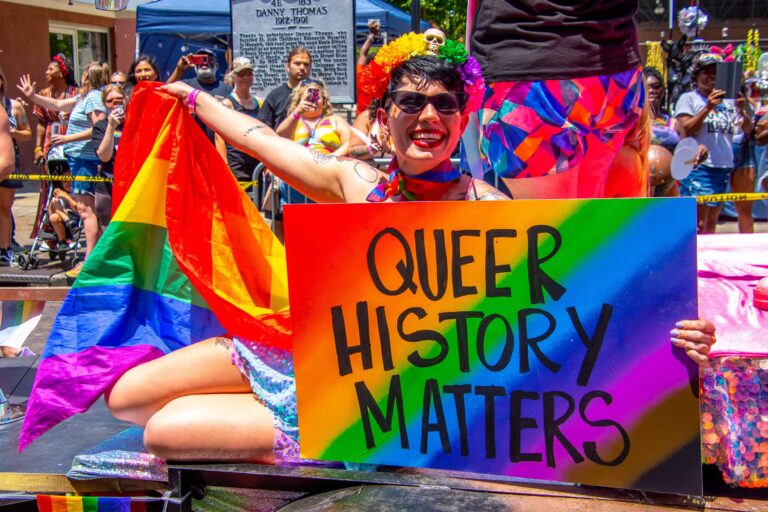
The 49th Annual Memphis Pride will serve as a monumental lead-up to the 50th anniversary in 2025, bringing together activists, entertainers, and community leaders for one of the biggest Pride celebrations Memphis has ever seen. Organizers have planned special tributes to LGBTQ+ pioneers, reflecting on the history and future of the movement. With expanded programming, more sponsors, and increased community participation, the event is expected to set the stage for the grand 50th-anniversary celebration the following year.
As Memphis prepares to celebrate its 50th Pride milestone, we do so at a time when LGBTQ+ rights are once again under attack on a national level. The recent shift in the political landscape has ushered in new challenges—threats to transgender rights, rollbacks of anti-discrimination protections, and renewed efforts to curtail LGBTQ+ visibility in schools and public spaces. Yet, as we join cities around the globe in celebrating WorldPride 2025, our resolve has never been stronger. This year’s Pride is more than a festival—it’s a rallying cry, a declaration that we will not be erased, silenced, or pushed back into the shadows. While the administration may try to undermine the progress we’ve fought so hard for, our celebration of WorldPride is a defiant act of joy, resistance, and unity in the face of adversity.
As Memphis marks 50 years of Pride, this milestone arrives in a turbulent political climate where LGBTQ+ rights face renewed attacks, particularly in Tennessee, where restrictive legislation continues to threaten trans rights, healthcare access, and public LGBTQ+ expression. Yet, as history has shown, adversity only strengthens our resolve. This year’s Pride will be our boldest yet, with a massive parade, extended festival, and historical exhibits honoring the pioneers who paved the way while mobilizing the next generation of activists. As we celebrate alongside WorldPride 2025, Memphis Pride 2025 stands as a symbol of defiance, resilience, and the unshakable spirit of a community that refuses to be silenced.